
- Candidates
- Login
- Set Up Account
- Create a Job Alert
- Search Tools
- Resources
- Employers
Overview:
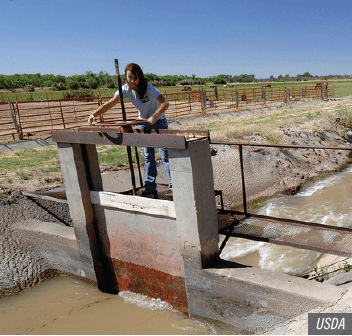
An Environmental engineer is responsible for researching problems within the environment and creating solutions for areas like water and air pollution and waste management.
What responsibilities will I have?
What education and training is required?
A bachelor’s degree in agricultural, civil, environmental or chemical engineering is required.
To pursue a career as an Environmental Engineer:
The following high school courses are recommended:agricultural education, a focus on science, earth science, biology, botany, chemistry, biology and mathematics.
Typical Employers:
Employed by plant research companies, food science companies, governmental organizations, schools/universities and environmental organizations.
Future Job Market/Outlook
The future outlook for Environmental Engineers is projected to be excellent.
Suggested Professional Organizations and Associations:





