
- Candidates
- Login
- Set Up Account
- Create a Job Alert
- Search Tools
- Resources
- Employers
- Employers
- Set Up Account
- Login
- Products
- Resources
 Clara Taylor
 June 01, 2026
 Career Guide Article
Electricians and electronics technicians play a critical role in keeping equipment, systems, and operations running safely and efficiently. From installing wiring to troubleshooting complex systems, their work supports industries ranging from agriculture to manufacturing. Here’s what a typical day might look like in this dynamic career.
Starting the Day: Planning and Preparation
The day often begins with a review of scheduled tasks, service requests, and safety checks. Electricians may meet with supervisors or team members to discuss ongoing projects, review blueprints, and prioritize urgent repairs. Before heading out, they ensure they have the right tools, replacement parts, and testing equipment.
Mid-Morning: Installation and Maintenance
A large part of the job involves installing, maintaining, and repairing electrical systems. This could include running wiring, assembling electrical components, or installing fixtures that supply power to machines or equipment.
Electricians frequently work with blueprints and diagrams to guide their work, ensuring everything is installed correctly. Preventative maintenance is also key—regular inspections help catch issues early and prevent costly equipment failures.
Troubleshooting and Diagnostics
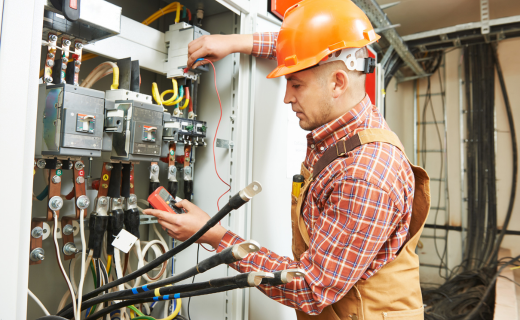
When problems arise, electricians step into detective mode. Using tools like voltmeters and diagnostic software, they test systems and analyze readings such as voltage, amperage, and output levels.
They may need to disassemble equipment to identify faulty components, then repair or replace parts before carefully reassembling everything. This work requires both technical skill and attention to detail.
Afternoon: Compliance and Documentation
Safety is always a top priority. Electricians ensure all work complies with local and national electrical codes. They may install warning systems or safety devices to protect people and equipment.
Documentation is another important task—updating records, maintaining inventory of parts, and sometimes creating drawings or suggestions for inspections and future improvements.
Collaboration and Training
Electricians often collaborate with engineers, technicians, and managers. They may also help develop and deliver training programs, ensuring team members understand proper procedures and safety practices. In some roles, they contribute to improving operational processes or implementing new technologies.
Education and Career Path
Most electricians start with a high school diploma, often focusing on science, math, or agricultural education. Many pursue an associate degree in electrical or industrial technology. Certifications are essential for those entering the field directly after high school.
This career offers opportunities across many sectors, including farm equipment dealers, grain operations, research facilities, meat processing companies, and government agencies.
Job Outlook
The future outlook for electricians is strong, especially for those with advanced skills and certifications. As technology evolves, the demand for professionals who can maintain and repair increasingly complex systems continues to grow.
Ready to Get Started?
If you’re interested in a hands-on career that combines problem-solving, technology, and critical thinking, becoming an electrician or electronics technician could be a great fit.
Explore current opportunities like Ag Equipment Service Technician, Service Manager, and Service Technician roles by visiting AgCareers: https://www.agcareers.com/electrician-electronics-technician-jobs.cfm
A career as an electrician offers variety, stability, and the satisfaction of keeping essential systems running—no two days are ever the same.




