
- Candidates
- Login
- Set Up Account
- Create a Job Alert
- Search Tools
- Resources
- Employers
 Kathryn Doan
 August 17, 2026
 Media Article
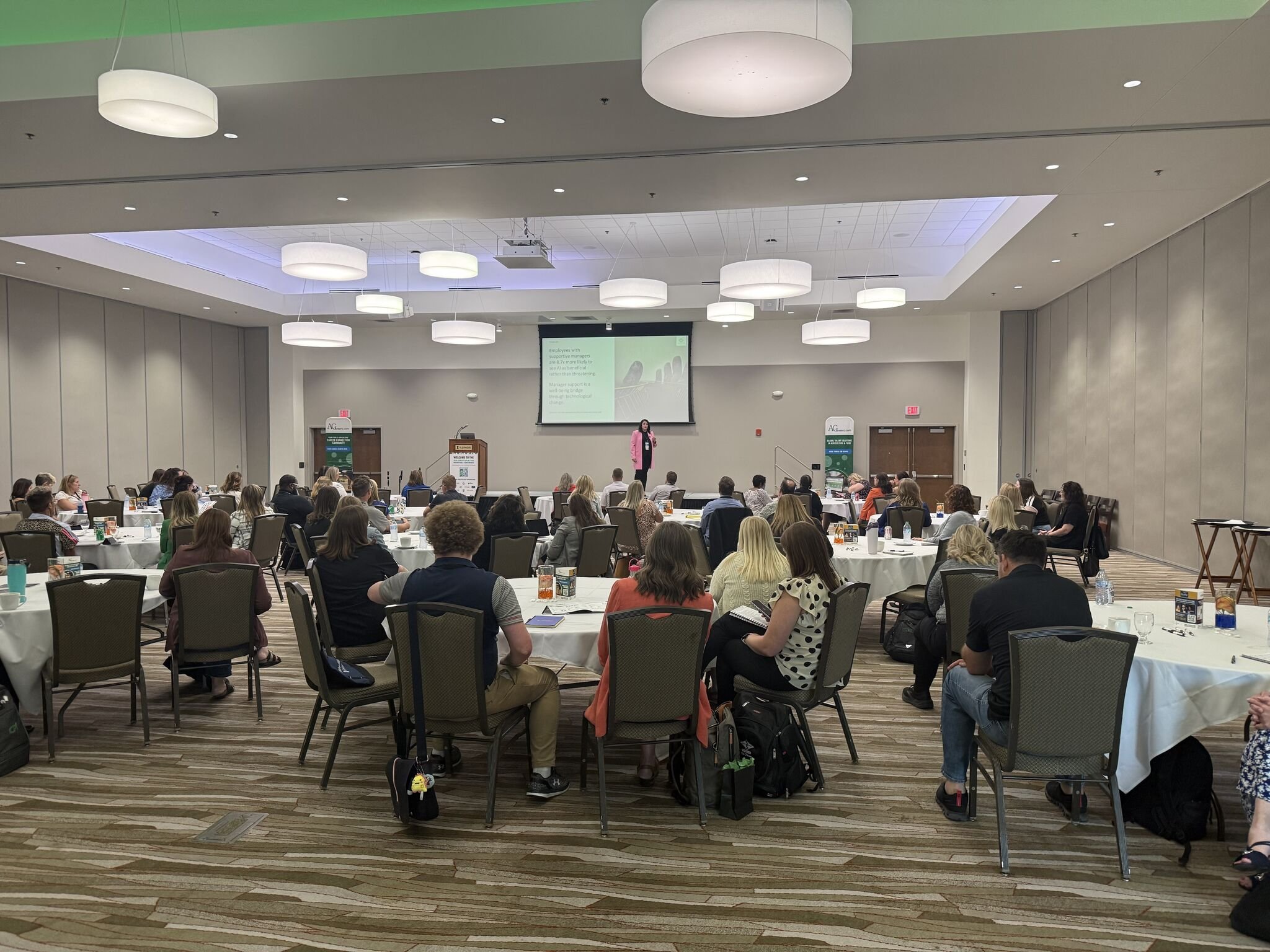
This year's Agriculture & Food Roundtable Conference was about much more than great speakers, panel discussions and professional development. At its heart, it was about community, connection and bringing the right people together to strengthen the agriculture and food industries.
Hosted by the University of Illinois Urbana-Champaign, the Roundtable united agriculture and food employers, academics, educators, HR and talent professionals, career services leaders, and industry representatives from across North America to discuss the future of talent and workforce development.
The conversations were engaging, candid and focused on the workforce opportunities and challenges facing our industry today.
Exploring the Future of Work in Agriculture and Food
Throughout the conference, speakers, panelists and industry leaders participated in thoughtful discussions about the changing world of work and what intentional leadership requires today. Rather than simply identifying workforce challenges, the sessions focused on how leaders can deliberately build stronger people, teams and organizations.
Some of the most important topics explored included hiring for character and developing talent, creating career-readiness bridges, navigating generational differences and changing expectations around work, adapting recruiting practices, strengthening culture and retention, managing conflict constructively, preparing for workforce shifts through succession planning, and the responsible and ethical use of AI.
Across these conversations, several interconnected themes emerged. The discussions reinforced that technical skills alone are not enough. Organizations increasingly need people who are adaptable, curious, accountable and committed to continuous learning.
The Importance of Intentional Leadership
One message connected so many of the conversations throughout the conference: intentional leadership matters.
The future of agriculture and food requires leaders who create clarity and direction while remaining adaptable. It means hiring thoughtfully, recognizing potential, developing people before positions become vacant, having meaningful and sometimes difficult conversations, strengthening accountability, building cultures where people want to contribute and grow, and embracing technology without losing the human connection that makes organizations successful.
A strong theme throughout the Roundtable was the need for leaders to respond to changing workforce needs with both flexibility and purpose. That means listening well, planning ahead, developing future leaders early, creating opportunities for growth and ensuring employees clearly understand both expectations and career pathways.
The discussion around AI and the ethics of AI usage added another important dimension. As technology becomes increasingly embedded in recruiting, talent development and everyday work, leaders have a responsibility to use it thoughtfully, balancing innovation and efficiency with human judgment, transparency and ethical decision-making.
Perhaps the greatest takeaway from this year's conference was that workforce success isn't created by a single program, policy, or generation. It is created through intentional choices. Hiring thoughtfully, developing people continuously, planning for succession early, creating adaptable cultures and maintaining meaningful human connection allcontribute to organizations that are prepared for what comes next.
The overarching message was clear:
"The future of work will continue to change. Strong organizations won't simply react to that change. They will intentionally develop the people, leadership and culture needed to be ready for it."
What Makes the Roundtable Different?
While the sessions and panel discussions provide tremendous value, perhaps the greatest impact of the Roundtable happens not only from the stage, but between the sessions, around the tables and through the relationships formed.
There is something incredibly valuable about bringing industry and education into the same room. Agriculture and food employers connect directly with colleges and universities. Educators hear firsthand about evolving workforce needs. Employers gain a better understanding of emerging talent. Leaders share what is working and what is not, and participants leave with new ideas, new relationships and new opportunities for collaboration.
Those conversations over meals, introductions after panels, ideas exchanged between employers and educators, and relationships that continue long after the conference ends are what make the Agriculture & Food Roundtable a unique North American conference unlike so many others.
It isn't simply another HR or workforce conference. It is a community committed to developing the people who will work in, lead and shape agriculture and food for generations to come.
Thank You to Our Hosts, Sponsors and Community
A very special thank you to the University of Illinois Urbana-Champaign for hosting us, and to our sponsors and partners whose support makes this experience possible. Your investment goes beyond supporting a conference. You help create a place where industry and education can connect, collaborate and strengthen the agriculture and food talent pipeline.
Thank you as well to our speakers, panelists, attendees, sponsors, partners and everyone behind the scenes who contributed their time, expertise and energy. The openness of the conversations, willingness to share perspectives and genuine desire to learn from one another made this year's Roundtable incredibly valuable.
Get excited and stay tuned for more information on our 2027 Roundtable! In 2027, we'll be celebrating 25 years, and you won't want to miss it.
And now we look ahead to a very special milestone.
25 years of conversations.
25 years of connections.
25 years of bringing agriculture, food and education together.
We can't wait to bring this community together again in 2027 to celebrate where we've been and continue the conversations that will shape where our industry goes next.




