
- Candidates
- Login
- Set Up Account
- Create a Job Alert
- Search Tools
- Resources
- Employers
 Clara Taylor
 June 02, 2026
 Newsletter Article
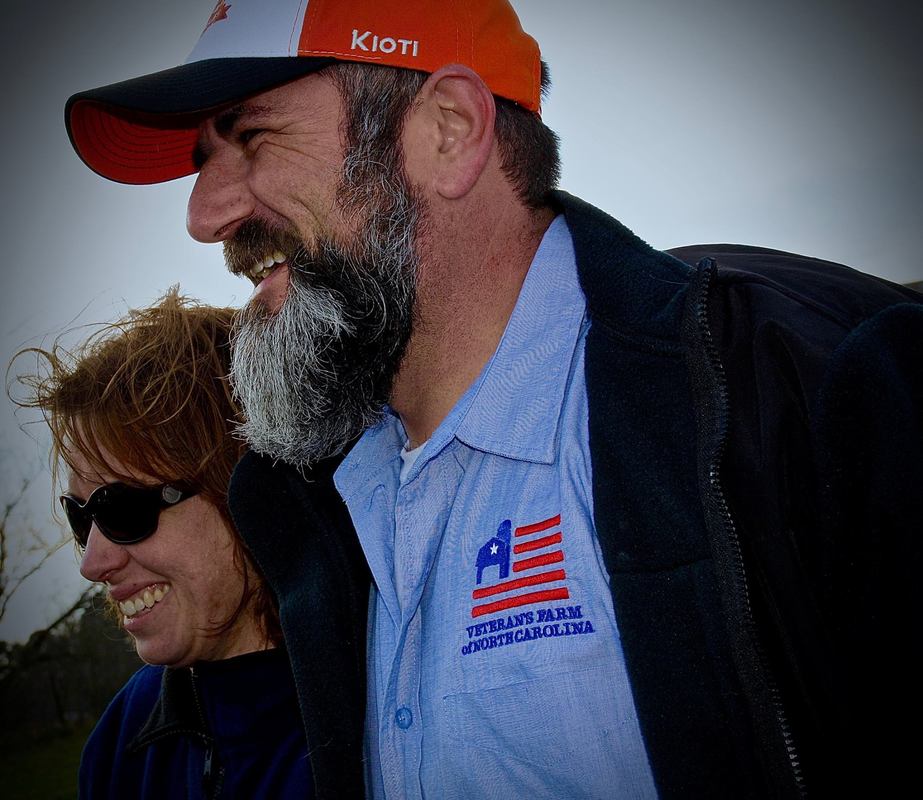
Interview with Robert Elliot
Transitioning from military service to civilian life can be one of the most challenging chapters for veterans. While they bring valuable skills like leadership, discipline, and adaptability, finding a clear career path—and a sense of purpose—can take time.
In the agriculture industry, innovative programs are helping bridge that gap by offering veterans a pathway into meaningful work while supporting their overall well-being.
A Hands-On Approach to Career Discovery
One nonprofit training program in North Carolina, the Veterans Farm of North Carolina, is providing veterans and their families with a unique opportunity: hands-on experience on a working farm.
Participants gain exposure to a wide range of agricultural areas, including livestock, horticulture, hydroponics, and crop production. Instead of focusing on just one specialty, the program is designed to help veterans explore multiple paths before committing to a long-term direction.
“Many individuals come in thinking they want to do one thing,” said Robert Elliot, Executive Director. “By the end, they often discover a completely different path that better fits them.”
From Learning to Real-World Application
The program offers both two-month and five-month courses that combine classroom education with real-world farm experience. Participants learn everything from soil science and agricultural practices to business planning and operations.
Those in the extended program take their training further by developing their own agricultural projects and business plans—equipping them with the knowledge and confidence to pursue careers in farming, agribusiness, or related fields.
Just as importantly, veterans build on the transferable skills they already possess, such as problem-solving, teamwork, and adaptability.
More Than a Training Program
What sets this program apart is its strong focus on community and support.
The transition out of military life can be difficult. Veterans often face challenges adjusting to less structured environments, navigating new careers, or managing mental health concerns. Without the right support system, these challenges can feel overwhelming.
This program addresses those needs by providing a built-in network of peers, mentors, and professional resources. Participants not only gain skills—they gain a community that continues to support them long after the program ends.
That support has made a measurable difference. Since 2021, the program has helped prevent 14 veterans from completing suicide- an impact attributed to the suicide prevention support intentionally built into the training experience.
The Power of Agriculture on Mental Well-Being
For many veterans, agriculture offers more than a career—it provides a sense of purpose.
Working outdoors, connecting with nature, and focusing on tangible, meaningful tasks can have a positive impact on mental health. For individuals managing stress or post-service challenges, this environment can be grounding and restorative.
“When you’re focused on the work—whether it’s caring for livestock or growing crops—it gives you something to concentrate on and reconnect with,” Robert explains.
Creating Stronger Career Pathways
While some veterans pursue farming directly, many transition into careers across the broader agriculture industry. However, connecting veterans with these opportunities remains a challenge.
Despite having highly transferable skills, veterans’ experience is often misunderstood by employers, particularly when it’s translated through military language and structure.
Programs like this highlight an important opportunity: strengthening connections between employers and veteran talent.
“There are so many capable veterans ready to contribute,” Robert notes. “We just need stronger pathways to connect them with employers.”
A Meaningful Opportunity for Veterans—and Employers
Each year, programs like this support dozens of veterans directly and reach hundreds more through outreach. For many participants, the experience is life-changing—offering direction, community, and renewed purpose.
Veterans do not need prior agricultural experience to get started—just an interest in learning and a willingness to explore new opportunities.
Take the First Step
For veterans curious about agriculture or seeking a new path, the first step is simple: reach out, start a conversation, and explore what’s possible.
And for employers, there is a clear opportunity to tap into a highly skilled, motivated talent pool ready to make an impact.
Learn more or get involved:
Visit vfnc.org to explore programs, volunteer opportunities, or ways to support veteran-focused initiatives in agriculture.




